BRIDGE BRAINS
Intelligence built. AI systems, premium digital experiences and automation built to help businesses work smarter and grow faster.
01 / Applied intelligence
AI that does. We design intelligent systems around the way your business actually operates.
02 / Connected systems
From repetitive. BridgeBrains connects AI, automation and software into systems built around real business needs.
Book a free 30-minute discovery call ↗ BRIDGEBRAIN — INTELLIGENCE CORE WORLD SYSTEM — CONNECTED INTELLIGENCE
BRIDGEBRAINS / APPLIED SYSTEMS 03 — 05
03 / Sales intelligence
Raw inquiries.. Filter the noise, qualify the fit and move stronger opportunities forward.
04 / AI support
Every request.. Connect messages, calls and customer context. Prepare responses and hand off when needed.
05 / Business operations
Make the work. Move work between teams and tools — from the first request to a confirmed outcome.
Book a free 30-minute discovery call ↗ ILLUSTRATIVE AI WORKFLOWS
↓ Scroll to connectNetherlands · Built for business Our expertise
Built around Intelligence, design and software.
06 / Premium digital experiences
Intelligence behind it.. From a clear professional website
Explore the progression ↓ BRIDGEBRAINS / DIGITAL EXPERIENCES DESIGN CONCEPTS — ILLUSTRATIVE EXAMPLES
07 / Launch
A strong first impression. For small companies with no website or a social-only presence: a professional website with a clear path to contact and enquiries.
€699Website package
Explore the package ↗ STILLSTUDIO Work Approach Let’s talk ↗
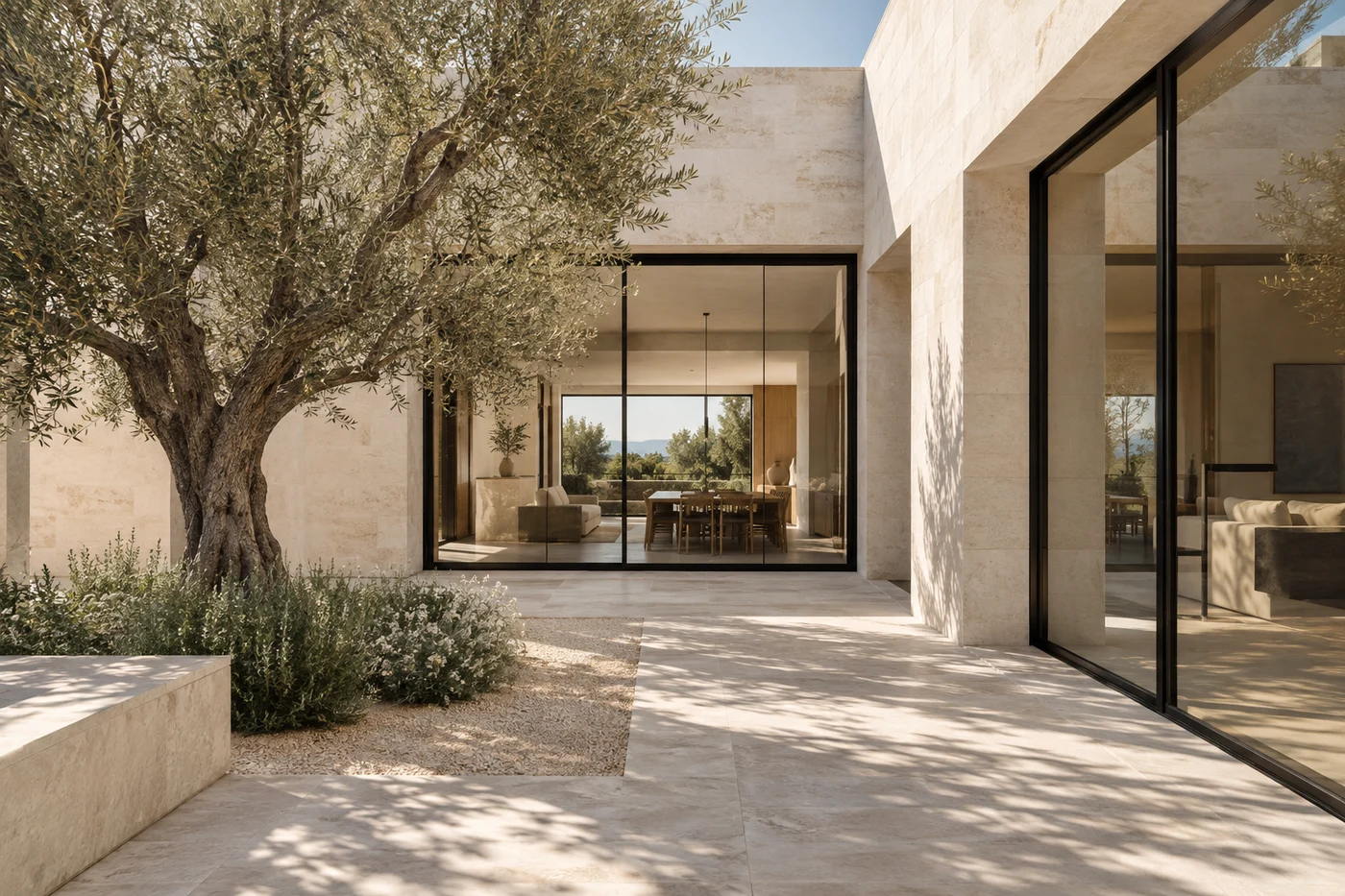
ARCHITECTURE & INTERIORS Considered spaces. Thoughtful design for the way you live.
Discuss a project ↗ Independent studio. Personal approach. 01 / SELECTED PROJECT
A quieter The courtyard house Architecture · Interiors
Natural materials. Generous light.
Architecture Interiors Project guidance
BRIDGEBRAINS / DESIGN CONCEPT
08 / Business
Designed to earn the next step. For established businesses ready for a serious professional upgrade: custom design, expanded content and a conversion-focused structure.
€1,499Website package
Explore the package ↗ View live example ↗ DOLCE VERONA / REAL WEBSITE
SIX BROTHERS / REAL WEBSITE
10 / Business System
Your website. Your working system. Website and dashboard/admin, automation, AI and internal business software. Custom booking operations and integrations are scoped to your business.
from €4,999Website package
Explore the package ↗ BB
◈ Intelligence
✧ AI signals
▤ Operations
WORKSPACE / 01
Intelligence AI signals Operations INTELLIGENCE / THIS WEEK
See the business clearly. One view of performance, demand and activity. Bookings 86↗ 12% vs. previous week
Revenue €18.4k↗ 8% vs. previous week
Capacity used 78%+ 6 pts available hours
Business activity
24 Qualified inquiries
17 Open tasks
4 Team handoffs
Website → workspace → team Connected to AI signals →
AI SIGNALS / DEMAND INTELLIGENCE
The system thinks with you. Turn business activity into useful next steps. From inquiry to opportunity Context · fit · intent
Inquiries 270 Website & messages
Qualified 24 Matched to your services
Ready to book 12 Suggested next step
FOLLOW-UP SIGNAL 3 conversations worth reopening. Returning customers with an unanswered booking inquiry.
Prepare a follow-up ↗ CAPACITY SIGNAL Demand is moving into the afternoon. Review 2 available slots before assigning new bookings.
Review availability ↗ Review → assign → execute
OPERATIONS / CONNECTED EXECUTION
The system helps run the business. Bookings, people and follow-through. In one place. Today’s bookings Team calendar
09:30 Consultation Mia / Client services
Confirmed 11:00 Customer follow-up Jon / Client services
Assigned 14:30 New appointment Ari / Client services
Ready Work in motion 17 tasks
✓ Booking confirmed Front desk
→ Follow-up prepared Customer care
One request. Every handoff connected. Confirmed ✓
01 Request
02 Verify
03 Assign
04 Book
✓ Complete
Intelligence → action → completion
BRIDGEBRAINS / DESIGN CONCEPT
Website packages
Start where you are.. Four starting points. A clear conversation about scope.
01
Launch Professional website Essential business content Mobile-ready design Clear contact / conversion journey Basic SEO structure
€699
Discuss your website ↗ 02
Business Custom design Expanded pages/content Forms, reviews and analytics where appropriate Conversion-focused structure Standard integrations
€1,499
Discuss your website ↗ 03
Premium High-end custom design Cinematic motion/interactions Advanced integrations Integration/configuration of an appropriate booking solution CMS/admin where appropriate NFC/QR customer journey setup; hardware by agreement Premium conversion/customer journey
€2,999
Discuss your website ↗ 04
Business System Website + dashboard/admin Automation/custom workflows AI integrations Internal business software Custom integrations Advanced booking/operations where required Maintenance/custom support: engineering quote required
from €4,999
Discuss your website ↗ Business System pricing starts at €4,999. Scope, integrations and ongoing care are discussed separately.
Custom AI systems
What could work? Start with your bottlenecks. We’ll explore what can realistically be automated or built.
Book a free 30-minute discovery call ↗ A conversation about your business. Custom scope. No fixed AI pricing.  BridgeBrains